
6 beneficial pests in your rose garden

Smart rosarians know some insects are good and some are not so good. The good ones generally eat the ones that damage rosebuds, flowers, leaves or canes.
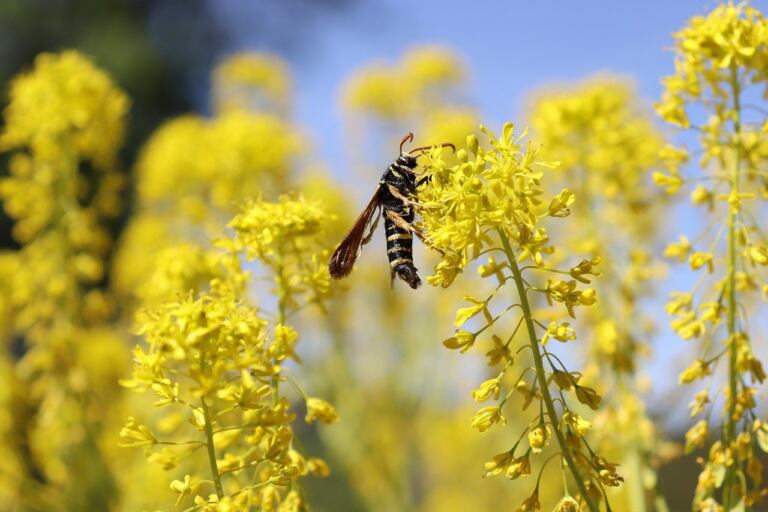
Smart rosarians know some insects are good and some are not so good. The good ones generally eat the ones that damage rosebuds, flowers, leaves or canes.

The June TRS Meeting will be “all about the rose show”: prepping your entries, watering, entry tags, class rules, staging, table locations, judging, & more.

Here is a curated 4 page list of individual roses that should help you enjoy your visit and remember some that you would like in your own garden.

A real treat this month: “Old garden roses you can grow in Tacoma area gardens” with Margaret Nelson, past president of the Heritage Roses NW Rose Society.
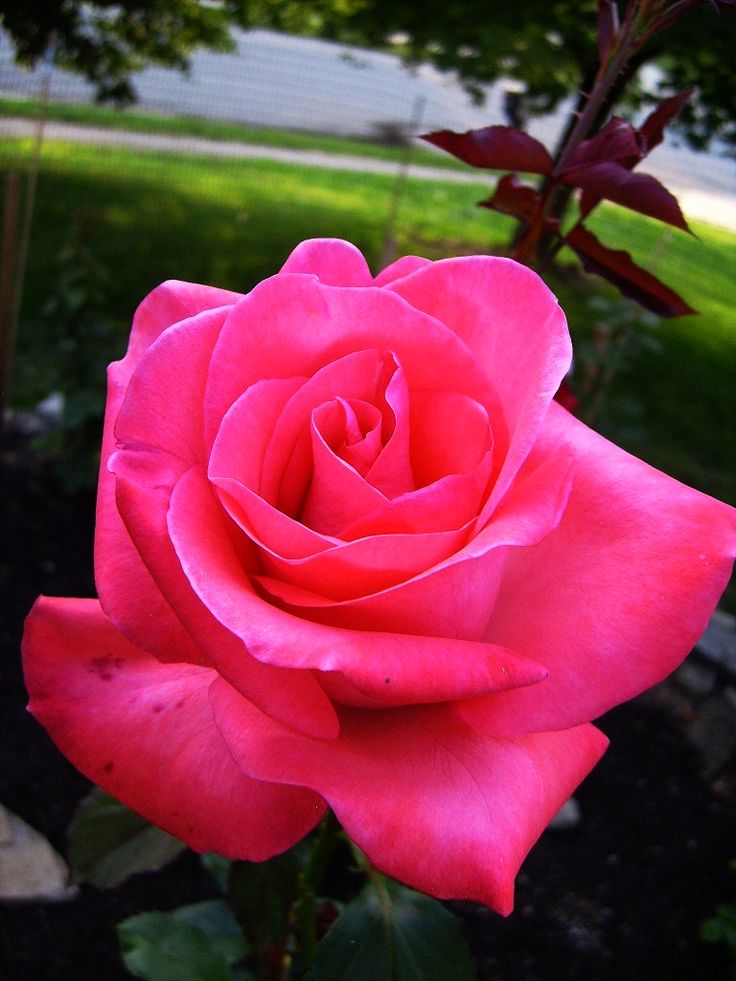
At our meeting on April 18 our featured speaker will be John. He will be telling us all about fertilizing our roses – especially in the Spring.

Once the pruning is “finished” let’s make sure to get rid of any rose debris & put on lime if we have not done so, then lay down several inches of fresh mulch.

The March program will focus on planting, including containers, and a
review of spring fertilization. Share your methods with us so we can all learn more.

Alfalfa is one of the additives that is often used when planting roses. It is also used dry or as part of a tea during the spring fertilizing.

During the showing of roses in an ARS Rose Show, the show committee will create some special exhibition classes designed to challenge your eye for display.

Choose an area with at least 6 hours of free sunlight, good water drainage, good air circulation, and no intruding roots from other plantings.
End of content
End of content


